Discovering the Flexibility of Bulk Containers for Your Service Needs and Reliable Storage Space Solutions
Mass containers offer a variety of remedies for companies seeking effective storage space alternatives. They come in various styles, accommodating numerous sectors. Understanding their versatility can result in substantial functional renovations. Companies frequently ignore the prospective advantages of these containers. As services goal for maximized logistics and minimized prices, the appropriate option of mass containers can make a significant distinction - Industrial Bulk Plastic Containers. What factors should be taken into consideration when picking the excellent mass container for details requirements?
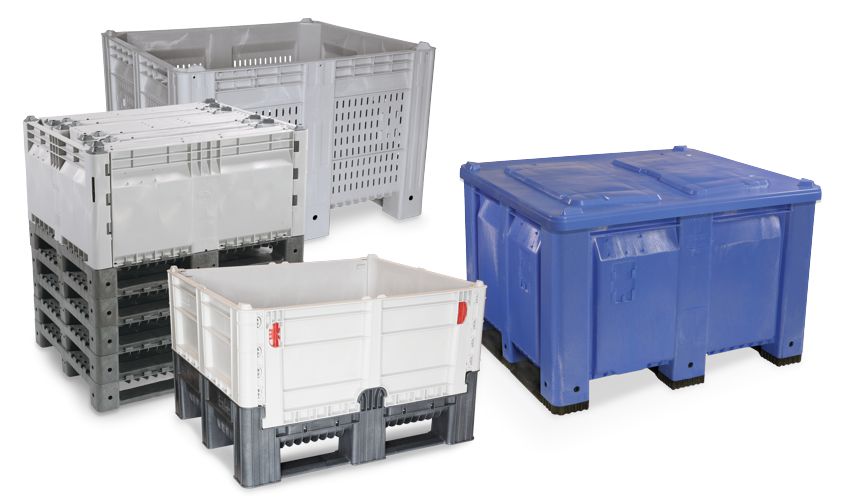
Kinds Of Mass Containers Available in the marketplace
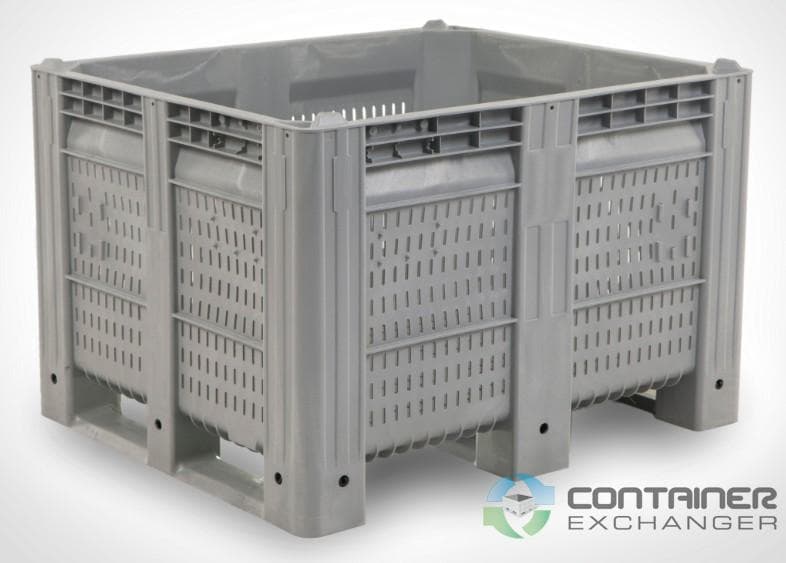
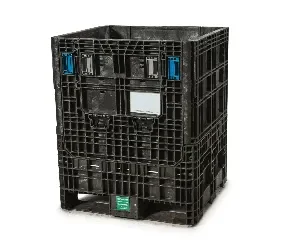
While companies commonly call for effective options for moving and storing large quantities of products, different kinds of mass containers are offered to meet these varied needs. Rigid containers, such as tote bins and intermediate bulk containers (IBCs), provide sturdiness and security for items like liquids and granular materials. Flexible options, including bulk bags and FIBCs, offer lightweight storage space solutions that can adjust to numerous product types. Barrels and drums, commonly made from steel or plastic, are ideal for hazardous products, making certain conformity with safety and security guidelines. Furthermore, pallet boxes facilitate easy stacking and transportation for a series of products. Each sort of bulk container offers certain functions, allowing organizations to maximize their procedures and improve supply chain effectiveness.
Benefits of Using Mass Containers for Your Organization
Applications of Mass Containers Across Industries
As businesses look for to maximize their operations, the adaptability of mass containers becomes significantly apparent throughout various markets. In the farming field, bulk containers help with the storage space and transport of fertilizers, grains, and seeds, making certain reliable supply chain management. The food and beverage market uses them for mass ingredients, improving production procedures while keeping health standards. In manufacturing, bulk containers are necessary for real estate basic materials and completed items, simplifying logistics. The pharmaceutical sector also benefits, using specific bulk containers for chemicals and drugs, ensuring safety and compliance. Additionally, the construction industry employs bulk containers for storing materials like sand and crushed rock, promoting company on work websites. This flexibility highlights the vital role of mass containers in enhancing operational like this performance throughout diverse fields.
Personalization Options for Bulk Containers
The diverse applications of mass containers throughout different markets highlight a growing demand for modification to satisfy certain company requirements. Businesses can change bulk containers in a number of means, consisting of product, form, and dimension, to ensure excellent performance. Customized features such as enhanced walls, specialized linings, and special closures can improve resilience and protect components from contamination. Additionally, firms commonly require branding components, such as logos or color design, which can be integrated right into the design. Modification can likewise encompass identifying alternatives for enhanced supply administration. By customizing bulk containers to straighten with operational requirements, businesses can take full advantage of performance, simplify processes, and next boost general performance, making personalization an important factor to consider wholesale container choice.
Ideal Practices for Implementing Mass Containers in Your Storage Space Strategy
While choosing mass containers is important for reliable storage, executing them properly within a storage technique calls for careful planning and consideration. Organizations should first examine their specific storage requirements, assuring that the chosen containers fit the dimensions and weight of the products kept. Systematizing container types can improve procedures and boost organization. In addition, staff members should be trained on appropriate handling and stacking methods to take full advantage of area and lessen damages. Regularly assessing and keeping the containers guarantees longevity and efficiency. Lastly, integrating inventory management systems with bulk containers can facilitate accurate tracking and replenishment, ultimately enhancing general operational effectiveness. By following these ideal techniques, business can enhance their storage solutions and boost performance.
Often Asked Concerns
How Do I Select the Right Bulk Container for My Specific Demands?
What Are the Prices Related To Investing In Mass Containers?
The costs associated with purchasing bulk containers differ based upon size, material, and provider. Generally, rates vary from a few hundred to several thousand bucks, relying on modification and extra features needed for certain applications.
Can Bulk Containers Be Rented Rather Than Purchased?
Yes, bulk containers can be rented out as opposed to acquired. This alternative supplies companies with flexibility and price savings, permitting them to satisfy short-term storage demands without dedicating to a long-lasting investment in buying containers.
Exactly how Do I Keep and Clean Mass Containers Appropriately?
To maintain and tidy bulk containers effectively, one must on a regular basis evaluate for damage, clean with suitable cleaning agents, rinse extensively, and see here guarantee total drying out before storage space. Additionally, utilizing food-safe materials for food-related containers is vital.
Are There Rules Relating To Bulk Container Usage in My Sector?
Yes, regulations relating to mass container usage vary by market. Companies should abide by security, hygiene, and environmental standards established by controling bodies to assure compliance and keep operational integrity in their respective markets.
Mass containers offer a variety of options for businesses seeking effective storage space alternatives. Plastic Bulk Containers. Stiff containers, such as tote bins and intermediate bulk containers (IBCs), supply durability and protection for products like liquids and granular materials. Utilizing bulk containers can lead to cost savings, as they commonly make it possible for organizations to acquire products in bigger amounts. The varied applications of mass containers throughout numerous sectors highlight an expanding demand for modification to fulfill specific business needs. Organizations can change bulk containers in numerous means, consisting of form, product, and size, to ensure excellent capability
Comments on “Reusable Bulk Plastic Containers: Best Practices for Storage and Handling”